
Is Everyone Watching Me? How To Overcome Practice Paralysis
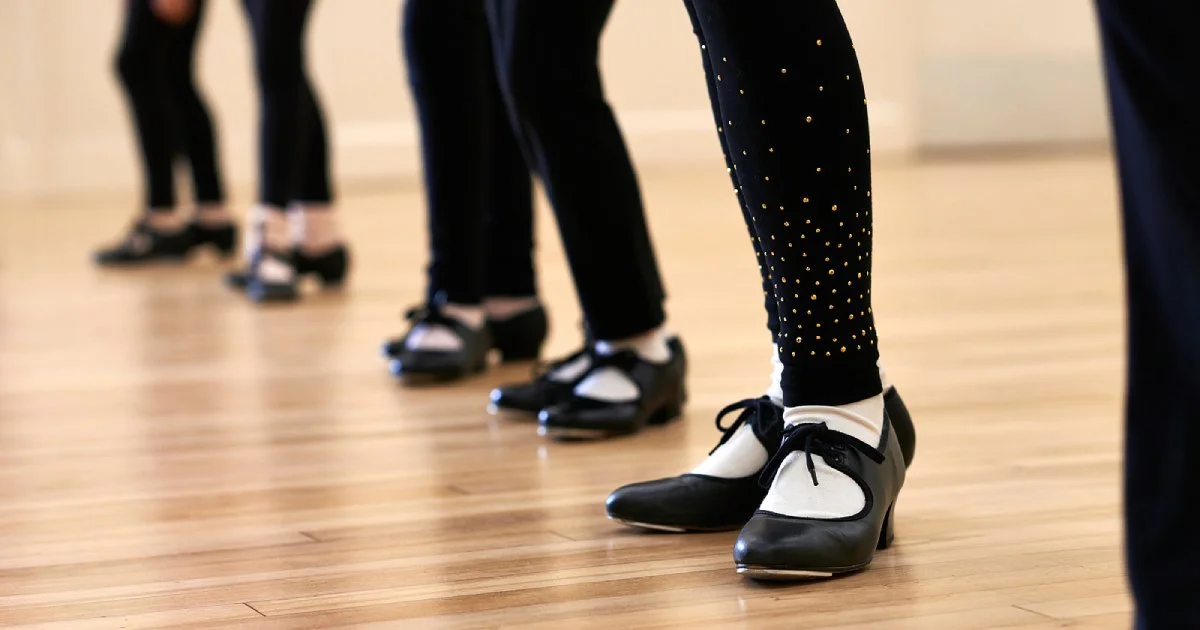
Performance anxiety is a well-recognised challenge among dancers of all levels. Whether you are stepping into your first ballet class or preparing for a major recital, that uneasy feeling of being watched can creep in. You might find your muscles tense up, your breath shallow, and your confidence dip – a phenomenon often referred to as practice paralysis. This mental block isn’t a reflection of your skill; it’s a very human reaction to pressure. Understanding why it happens and how to overcome it is essential for dancers who want to thrive both in class and on stage.
What Is Practice Paralysis?
Practice paralysis is the sensation of freezing up or overthinking when trying to rehearse or perform a routine. It’s not limited to fear of performing in front of an audience – sometimes it’s simply the worry that someone might be observing your mistakes. This feeling can strike in the studio, at home, or even during casual practice sessions.
Dancers are often perfectionists, striving for technical precision and emotional expression. While these qualities can drive excellence, they can also create inner critics that sabotage practice. When you’re worried about how others perceive you, your focus shifts from the joy of movement to fear of judgement. This mental tension can lead to stalled progress and reduced motivation.
Why Dancers Experience Practice Paralysis
There are several psychological factors at play when dancers feel like everyone is watching them:
Fear of failure – No one wants to make mistakes, especially in front of peers or teachers. Fear of failure can halt progress before you even begin to move.
Self-consciousness – Being aware of your body and movements can be constructive, but excessive self-monitoring often leads to tension and hesitation.
Comparison with others – In group settings, it’s easy to compare your progress with those around you. While some find it motivating, others find it intimidating.
Perceived judgement – Sometimes the anxiety comes not from real feedback, but from how you imagine others perceive you.
Understanding these triggers is the first step to reframing your mindset and reclaiming your practice time as an opportunity for growth.
Recognising the Signs of Practice Paralysis
The earlier you identify practice paralysis, the easier it is to address it. Common signs include:
Feeling stuck or unable to start rehearsing
Overthinking each movement instead of feeling the flow
Sudden physical tension or discomfort
Avoidance of practice or rehearsals
Anxious thoughts like “Everyone is watching me” or “What if I mess up?”
These thoughts are normal, but they don’t have to control you. Acknowledging them without judgement is a powerful step towards overcoming them.
Embracing Mindfulness and Movement
One of the most effective ways to combat practice paralysis is to become more mindful in your practice. Mindfulness is the ability to stay present and fully engage with your body and breath in the moment.
Try this simple technique before practice:
1. Stand or sit comfortably.
2. Close your eyes and take a few slow breaths.
3. Focus on the sensation of your breath entering and leaving your body.
4. Gently bring your attention to how your feet connect with the floor.
5. Open your eyes and begin your practice without judging your thoughts.
By grounding yourself in your body and breath, you create a mental space where performance anxiety has less control.
Setting Practical Goals For Practice
Often, dancers experiencing practice paralysis are overwhelmed by the bigger picture. Instead of fixating on perfecting an entire routine, focus on specific, achievable goals.
For example:
Master one combination at a time.
Focus on refining one technical aspect of a movement.
Warm up with simpler exercises before attempting complex choreography.
Breaking down your practice like this makes progress tangible and reduces the pressure that can lead to paralysis.
Reframing Mistakes As Part Of Learning
Mistakes are not failures. They are essential parts of learning. Even the most accomplished dancers make errors during rehearsal. What sets them apart is how they respond to those moments.
Instead of thinking, “Everyone saw me slip up,” try reframing it as:
“That was a great chance to learn something new.”
“This mistake will help me improve.”
“I’m brave for trying.”
This shift in perspective turns mistakes into opportunities for growth, rather than threats to your confidence.
Building Confidence Through Repetition
Repetition builds muscle memory, which in turn fosters confidence. When your body knows the steps automatically, whether in K-Pop dance or other styles, your mind is free to express artistry rather than worry. However, aim for quality over quantity: mindful repetition is far more effective than merely going through the motions.
Think of each practice session as a conversation with your body. The more you listen and respond with intention, the stronger and more confident your movement becomes.
Utilising Supportive Environments
The place where you practise can influence how comfortable you feel. Being surrounded by supportive peers and teachers makes a massive difference. This is one reason why choosing the right dance community matters.
Whether you’re participating in Singapore dance classes or weekly rehearsals with friends, seek environments that are encouraging and growth-focused. These spaces help dissolve feelings of being judged and instead foster mutual encouragement.
Seeking Feedback Constructively
Feedback is an invaluable tool for improvement, but it can be daunting if you’re already feeling anxious. To make feedback work for you:
Ask specific questions like, “Can you help me improve my balance in this turn?”
Listen to the guidance without self-criticism.
View feedback as insight, not judgement.
Remember, teachers and fellow dancers want to help you grow; their input is there to support you, not diminish your worth.
Practising With Purpose
Avoid practising with the sole aim of impressing others. Instead, connect with why you dance. Whether it’s for joy, expression, fitness, or artistic fulfilment, aligning practice with your personal motivations makes the process more meaningful and less intimidating.
Here are some reflective prompts:
Why did I start dancing?
What do I enjoy most about movement?
What small successes have I had recently?
Answering these honestly can reinforce your passion and reduce the fear of external judgement.
When To Seek Extra Support
If feelings of practice paralysis persist despite self-help techniques, it may be helpful to talk to a mentor, coach, or mental health professional. Performance anxiety and self-consciousness can be deeply rooted and may benefit from tailored strategies.
Reaching out for support isn’t a sign of weakness – it’s a proactive step towards nurturing your well-being and artistic growth.
Celebrating Your Progress
Finally, celebrate every step forward. Whether you’ve conquered a challenging sequence, showed up for practice despite nerves, or simply enjoyed a session without judgement, these are wins worth acknowledging.
Celebrate in ways that feel meaningful to you:
Journal about your achievements.
Share joy with a supportive dance friend.
Treat yourself to a rest day or a favourite snack after a good session.
Recognising progress builds confidence and reduces the power of practice paralysis over time.
Dance With Confidence And Joy
Practice paralysis can make dancers feel like every eye in the room is focused on their imperfections. Yet, this common experience can be overcome with mindfulness, constructive goals, supportive environments, and a focus on personal growth.
If you’re seeking a nurturing space to develop your skills and confidence, consider joining the welcoming community at Amy’s School of Dance. With expert guidance and a supportive environment, you’ll find the encouragement and tools you need to move past fear and dance with renewed joy and assurance.

