
What Age Should My Child Start Dance Lessons? Parent Guide
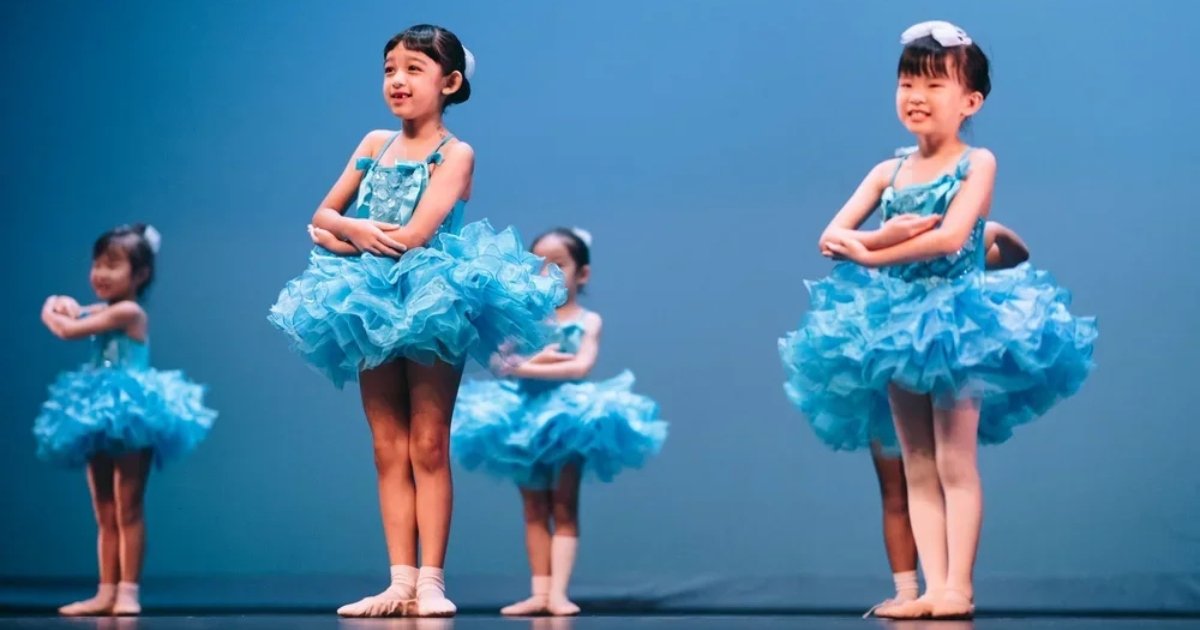
Many parents wonder when the “right time” is for a child to begin dance lessons. Some children seem to love music and movement from the moment they can walk, while others may only show interest a little later. The truth is that there is no single perfect age that applies to every child. What matters more is choosing a time when your child is ready to explore movement, follow simple instructions, and enjoy the experience.
Dance can be a wonderful activity for children of many ages. Beyond learning steps and routines, it helps build coordination, confidence, creativity, and social skills. For parents considering dance lessons, understanding how different age groups learn can make the decision much easier.
Age 3: Discovering Movement
Many dance schools offer introductory classes for toddlers around the age of three. These early sessions are usually not about formal technique. Instead, they focus on playful movement and music exploration.
At this age, classes often include:
Simple movements like jumping, clapping, and spinning
Basic rhythm exercises using songs and props
Short activities that keep children engaged
Opportunities to interact with other children
The main goal is to help young children become comfortable moving in a group setting while enjoying music and creative expression.
Toddlers also benefit from developing early motor skills. Moving to music improves balance and coordination, while structured play encourages listening and following instructions.
Parents should keep expectations light during these early stages. The experience is more about fun and discovery than mastering dance techniques.
Ages 4–5: Building Foundations
Many children begin more structured dance lessons around the age of four or five. At this stage, children tend to have better attention spans and can follow directions more consistently.
Classes for this age group often introduce:
Basic dance positions
Simple choreography
Musical timing and rhythm
Creative movement activities
Children also start learning how to participate in a class environment, such as waiting for their turn and working with classmates.
These early lessons lay the foundation for future training. Even though the movements remain simple, children gradually develop body awareness and coordination.
Parents who are exploring dance classes for beginners often find this age range ideal. Children are young enough to absorb new skills easily while also being mature enough to follow basic structure.
Ages 6–8: Developing Skills and Confidence
By the time children reach six to eight years old, many are ready for more focused learning. Dance classes begin introducing clearer technique and slightly longer routines.
At this stage, children typically develop:
Improved balance and posture
Greater coordination between arms and legs
Better memory for choreography
Stronger listening and focus during lessons
They also start to understand the satisfaction of practising and improving.
Dance can become an important confidence booster during these years. Children often feel proud when they master a new step or perform a short routine.
Group classes also help children develop friendships and teamwork. Working together during practice builds social skills while encouraging cooperation.
Ages 9 and Above: Starting Later Is Still Okay
Some parents worry that their child might be “too old” to begin dance if they start around nine or even later. The good news is that many children begin their dance journey at this stage and still progress very well.
Older beginners often have advantages such as:
Stronger focus and discipline
Greater body control
Faster understanding of instructions
Increased motivation to improve
Children who begin dance later can still develop strong skills, especially when they enjoy the activity.
What matters most is choosing a class that feels comfortable and supportive. Many studios offer beginner-friendly programmes designed for children who are new to dance.
Choosing the Right Dance Style
Another common question parents have is which type of dance their child should try first. There are many styles available, and each offers a different experience.
Popular options include:
Ballet
Ballet focuses on posture, grace, and foundational technique. It is often considered a good starting point because it builds strong fundamentals.
Jazz
Jazz dance is energetic and expressive. It combines technique with fun choreography and upbeat music.
Hip Hop
Hip hop classes are popular with children who enjoy modern music and dynamic movement. These lessons often feel relaxed and expressive.
Contemporary
Contemporary dance blends elements of several styles and encourages creativity and emotional expression.
Trying a few styles can help parents and children discover what works best. The most important factor is finding something that feels enjoyable and motivating.
When choosing a class, it is helpful to consider something that fits your child's personality.
Some children love structure and precision, which makes ballet appealing. Others prefer energetic movement and creative freedom, which may suit hip hop or contemporary styles better.
Signs Your Child May Be Ready for Dance Lessons
Age can provide a general guide, but readiness often depends on individual development. Some children may show clear signs that they are ready to begin.
Look for signs such as:
Enjoying music and dancing at home
Showing curiosity about movement
Being able to follow simple instructions
Feeling comfortable around other children
Having the attention span for short activities
Children do not need to be naturally talented to start dance lessons. Enthusiasm and curiosity are far more important.
Parents should also remember that progress looks different for every child. Some children learn quickly, while others simply enjoy the process.
What to Expect from Your Child’s First Dance Class
First dance lessons are usually designed to feel welcoming and low-pressure. Teachers focus on helping children feel comfortable in the studio environment.
Typical beginner classes may include:
Warm-up exercises
Basic movement patterns
Simple dance combinations
Creative games involving music and rhythm
A cool-down or stretching segment
Children gradually become familiar with class routines, music cues, and teacher instructions.
Many schools also organise small performances or showcase events throughout the year. These experiences can be exciting milestones for young dancers.
Performing on stage allows children to celebrate their progress while sharing their achievements with family and friends.
The Benefits of Starting Dance Early
Dance offers more than just physical activity. Children often gain valuable life skills through regular lessons.
Some benefits include:
Improved coordination
Learning dance movements strengthens balance, flexibility, and motor skills.
Greater confidence
Successfully learning routines and performing builds self-esteem.
Creative expression
Dance encourages children to express emotions and ideas through movement.
Discipline and focus
Regular practice teaches commitment and perseverance.
Dance also provides a healthy outlet for energy while encouraging an active lifestyle.
Many parents notice that children who participate in dance become more confident in other areas of life as well.
Supporting Your Child’s Dance Journey
Parents play an important role in helping children enjoy dance. Encouragement and patience can make a big difference.
Helpful ways to support your child include:
Celebrating small improvements
Encouraging regular practice at home
Keeping expectations realistic
Allowing your child to explore different dance styles
The goal is not perfection but enjoyment and growth.
Children who feel supported tend to develop a stronger love for dance and learning.
Final Thoughts
Choosing when to start dance lessons can feel like a big decision, but the most important factor is whether your child is ready and excited to try something new. Some children begin dancing as toddlers, while others discover their passion a little later.
Either way, dance can be a rewarding activity that nurtures creativity, confidence, and lifelong skills.
If you are looking for a welcoming environment where young dancers can learn and grow, consider enrolling your child at Amy's School of Dance. Our experienced instructors provide supportive lessons that help children develop strong foundations while enjoying every step of their dance journey.

