
How Contemporary Dance Builds Confidence For DSA Auditions
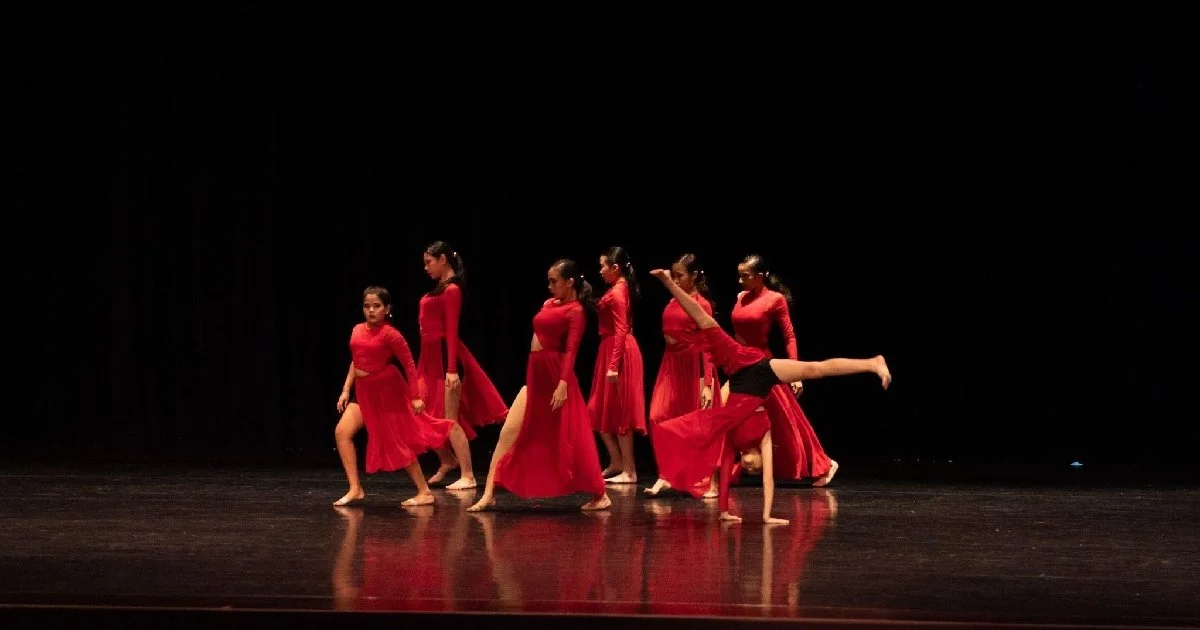
Stepping into a DSA audition room can feel overwhelming. Bright lights. A panel of judges. Other talented dancers warming up nearby. For many students, the nerves start long before the music even begins. Yet one of the most powerful ways to manage that pressure and walk in with confidence is through contemporary dance training.
Contemporary dance is not just about technique or flexibility. It is about learning to express yourself honestly, move with intention, and trust your body. Those qualities matter enormously in a DSA audition, where assessors are not only looking at how high you can kick, but how clearly you communicate through movement.
Understanding What DSA Panels Look For
Direct School Admission (DSA) auditions often assess more than technical ability. Panels observe stage presence, musicality, adaptability, and how well a dancer responds to corrections. They want to see potential, resilience, and the ability to perform under pressure.
Contemporary dance encourages all of these qualities. Unlike some more rigid styles, it blends technique with creativity. Dancers learn to interpret music, explore different dynamics, and shift smoothly between strength and softness. That flexibility builds not only physical control, but mental confidence too.
When students attend regular contemporary dance classes, they are consistently placed in situations that challenge them to think, feel, and perform. Over time, standing in front of others becomes less frightening and more familiar.
Building Body Awareness And Control
Confidence starts with knowing your body. Contemporary training focuses heavily on alignment, balance, weight transfer, and grounded movement. Dancers learn how to use the floor, how to fall safely, and how to recover with control.
That body awareness translates directly into audition settings. When a student feels stable and understands how their body moves, they are less likely to panic if something feels slightly off. Instead of freezing, they adjust.
This sense of physical security reduces anxiety. Students know they have put in the work. They trust their training. That trust shows on stage.
Encouraging Authentic Expression
One of the biggest differences between a nervous performance and a confident one is authenticity. Contemporary dance encourages dancers to connect with emotion and storytelling. They are not just executing steps; they are expressing ideas and feelings.
For DSA auditions, this is crucial. Panels often remember the dancer who moves with sincerity and intention. A technically perfect routine can still feel flat if it lacks emotional depth.
Through guided improvisation and choreographic tasks in contemporary dance classes, students practise making artistic choices. They learn that there is not always one “correct” way to move. That freedom nurtures self-belief. Instead of worrying about copying someone else perfectly, they learn to value their own interpretation.
Learning To Handle Feedback
Auditions frequently involve picking up new choreography quickly or responding to corrections on the spot. Contemporary training prepares students for this. Teachers often encourage experimentation, offer constructive feedback, and ask dancers to refine their work repeatedly.
This process helps students separate feedback from self-worth. Corrections become part of growth, not personal criticism. Over time, dancers become more adaptable and less defensive.
Confidence grows when students realise they can improve. They understand that being corrected does not mean they are failing; it means they are learning. That mindset is powerful during auditions, where adaptability can set a dancer apart.
Strengthening Mental Resilience
Nerves are natural. Even experienced performers feel them. The difference lies in how students respond to those nerves.
Contemporary training often includes performing in studio sharings or small showcases. These experiences simulate audition environments on a smaller scale. Each time a dancer performs in front of peers or parents, they practise managing adrenaline and focusing under pressure.
For new beginners, this gradual exposure is especially helpful. Small successes build momentum. A student who once felt shy about dancing in front of classmates may later feel ready to perform confidently in a formal audition.
Resilience also develops through challenging choreography. Contemporary pieces can be physically demanding and emotionally intense. Working through difficult sequences teaches perseverance. Students learn that discomfort is temporary and growth comes from pushing gently beyond comfort zones.
Developing Strong Stage Presence
Stage presence is often described as something you either have or do not have. In reality, it can be trained.
Contemporary dance emphasises projection, intention, and connection with the audience. Dancers are taught to use their eyes, breath, and energy to fill a space. They learn how to enter and exit with purpose. Even moments of stillness are practised deliberately.
When students understand how to command space, auditions feel less intimidating. Instead of shrinking under scrutiny, they expand into the room.
Stage presence is not about arrogance. It is about clarity. A confident dancer looks assured because their movements are intentional. Contemporary training nurtures that clarity.
Fostering Creativity And Problem-Solving
DSA auditions may include improvisation tasks or creative movement challenges. Contemporary dance prepares students well for this because improvisation is often woven into regular lessons.
Students might be asked to interpret a theme, respond to unusual music, or create short phrases using specific movement qualities. These exercises sharpen quick thinking and adaptability.
Confidence increases when students realise they can create on the spot. They do not depend solely on memorised choreography. They trust their instincts.
Creative problem-solving also builds independence. Rather than waiting for constant guidance, dancers become comfortable making decisions. That independence translates into a more self-assured presence during auditions.
Creating A Supportive Community
Confidence rarely grows in isolation. It flourishes in supportive environments.
Well-structured contemporary dance classes foster encouragement among peers. Students watch one another improve, celebrate progress, and understand that everyone has strengths and weaknesses. Healthy group dynamics reduce comparison and build mutual respect.
When dancers feel supported, they are more willing to take risks. Trying a bold movement or exploring a deeper emotion feels safer in a positive environment. That courage carries into auditions.
Knowing you belong somewhere gives you a steadier foundation. Students who feel secure in their training space tend to project greater calm and assurance in high-pressure situations.
Turning Preparation Into Self-Belief
Ultimately, confidence is built through preparation. Contemporary dance strengthens the body, sharpens the mind, and deepens emotional awareness. It equips students with tools that go beyond steps and routines.
By the time DSA auditions arrive, students who have trained consistently often realise something important: they are not just hoping to perform well. They are ready.
They understand how to warm up effectively. They know how to listen to music and interpret it. They can recover from small mistakes without collapsing emotionally. That readiness transforms fear into focus.
If your child is preparing for DSA auditions and needs structured guidance in both technique and expression, consider enrolling them at Amy's School of Dance. With supportive teachers and thoughtfully designed training, students can grow not only as dancers but as confident individuals ready to step into any audition room with assurance.

