
Essential Hip-Hop Dance Foundations Every Beginner Needs
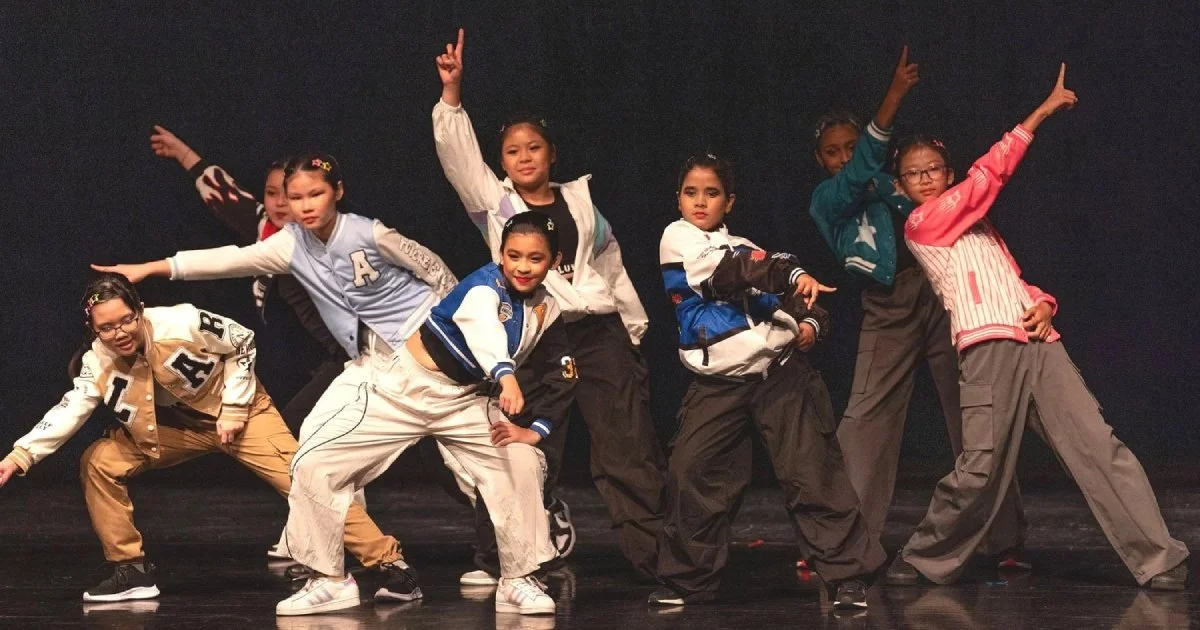
Hip-hop dance has a way of drawing people in. The music feels alive, the movements look powerful, and the atmosphere is full of personality. For beginners, though, it can also feel a little intimidating. You might wonder where to start, what to focus on, or whether you need natural rhythm to begin.
The truth is simple: every strong dancer starts with foundations. Once you understand the basics, everything else becomes easier, more enjoyable, and far less overwhelming.
Understanding Rhythm and Musicality
Before you think about flashy moves, start with the music.
Hip-hop is deeply connected to rhythm. Beginners often rush to copy choreography without really listening to the beat. Strong foundations begin with learning to hear counts, recognise accents in the music, and move confidently with timing.
Try this: clap or step to the beat of a song. Count “1–8” repeatedly. Notice where the bass hits harder or where the lyrics pause. Those details matter. Musicality is not about complicated steps; it is about connection.
Children learning hip-hop dance for preschoolers often begin exactly this way – through rhythm games and simple movements that help them feel the music naturally. Adults can learn the same way. There is no shortcut past rhythm.
Mastering the Basic Groove
The groove is the heartbeat of hip-hop dance.
A groove is not a specific move; it is a feeling. It is the bounce, rock, or sway that sits underneath the choreography. Without a groove, the steps look stiff and robotic. With groove, even simple movements look confident.
Start with:
The bounce (bending and straightening the knees in time)
The rock (shifting weight side to side)
The step-touch (a simple weight transfer with rhythm)
Practice these slowly. Add your shoulders. Let your chest move naturally. Film yourself if needed. Foundations take repetition, and repetition builds comfort.
When beginners struggle, it is usually not because the moves are too hard. It is because they skip this stage and try to do everything at once. Slow down. Build the base first.
Body Awareness and Control
Hip-hop is expressive. That expression comes from control.
Isolation is one of the first technical skills beginners should learn. This means moving one body part at a time, chest, shoulders, hips and head, while keeping the rest still. It sounds simple, but it requires coordination and focus.
Start small:
Roll your shoulders forward and back.
Push your chest out, then pull it in.
Shift your hips side to side without moving your upper body.
These drills may feel awkward at first. That is normal. The more you practise, the more natural they become.
Isolation work helps you overcome practice paralysis because you are focusing on one clear, manageable task rather than trying to master a full routine all at once.
Posture and Presence
Hip-hop carries attitude.
Posture affects how your dancing is perceived. Stand tall but relaxed. Keep your knees slightly bent. Avoid locking your joints. Your energy should feel grounded.
Presence is not about looking tough or serious. It is about committing to your movement. Even beginners can project confidence by finishing each move clearly and avoiding half-hearted execution.
A useful tip: practise in front of a mirror at first, then occasionally without it. Mirrors help with alignment, but dancing without one builds internal awareness.
Footwork Fundamentals
Many beginners focus heavily on upper-body movement, forgetting that hip-hop footwork is equally important.
Start with foundational steps:
Two-step
Grapevine
Kick-ball-change
Basic slides
Work on clean weight transfers. Make sure each step lands firmly and deliberately. Light, uncertain steps can make choreography look messy, even if your arms are correct.
Practice slowly. Once your feet know the pattern, gradually increase speed. Strong footwork makes advanced combinations much easier later on.
Learning to Freestyle
Freestyle can sound frightening to beginners. The idea of “just moving” feels exposed.
Think of freestyle as conversation rather than performance. You are responding to the music using the tools you have already built, such as groove, rhythm, isolation, and footwork.
Start with limits:
Only use the bounce and arm swings.
Only move side to side.
Only use one eight-count.
Constraints make creativity manageable. Over time, your confidence grows naturally.
Even young dancers in structured beginner programmes are encouraged to explore movement freely. That early confidence-building carries forward into more advanced training.
Strength, Stamina and Conditioning
Hip-hop requires energy.
You do not need to be an athlete before starting, but improving basic strength and stamina will help your progress. Simple conditioning can make a big difference:
Squats for leg strength
Planks for core stability
Gentle cardio for endurance
Consistency matters more than intensity. A few minutes of conditioning after each practice session builds resilience and reduces injury risk.
Learning in the Right Environment
Progress accelerates when you train in a supportive space.
Look for classes that focus on foundations rather than just routines. A good instructor will break movements down, explain timing, and correct posture gently. They will also create an atmosphere where mistakes are part of learning, not something to be embarrassed about.
For beginners, especially children, structure and encouragement are key. Age-appropriate programmes introduce techniques gradually while keeping lessons fun and engaging.
Adults benefit from the same approach. No one is “too old” to start. Foundations are universal.
Building Consistency Over Perfection
Many beginners quit too soon because they expect quick results.
Improvement in dance is rarely dramatic from one week to the next. It builds quietly. One day, you notice your groove feels smoother. Another day, your footwork clicks. Then suddenly, choreography that once felt impossible feels manageable.
Set small goals:
Practise twice a week.
Master one groove fully before moving on.
Record progress monthly.
Avoid comparing yourself to advanced dancers online. Social media often shows polished results, not the months or years of groundwork behind them.
Enjoying the Process
Hip-hop is expressive, creative and joyful.
Foundations are not about limiting you. They are about freeing you. When your body understands rhythm and movement naturally, you can focus on performance, personality and connection.
Celebrate small wins. Laugh at mistakes. Stay curious. The more relaxed you are, the faster you improve.
Every confident dancer you see once stood at the very beginning, counting slowly and practising basic grooves. Strong foundations made their growth possible.
Ready to Begin?
Starting something new takes courage. Hip-hop dance rewards that courage with confidence, coordination and creative expression.
If you or your child are ready to build strong foundations in a supportive and encouraging environment, take the first step with Amy's School of Dance. Our experienced instructors focus on technique, musicality and confidence-building from day one.
Join Amy's School of Dance today and discover how strong foundations can turn beginners into confident, expressive dancers.

