
Why Trying Different Dance Styles Helps Children Grow
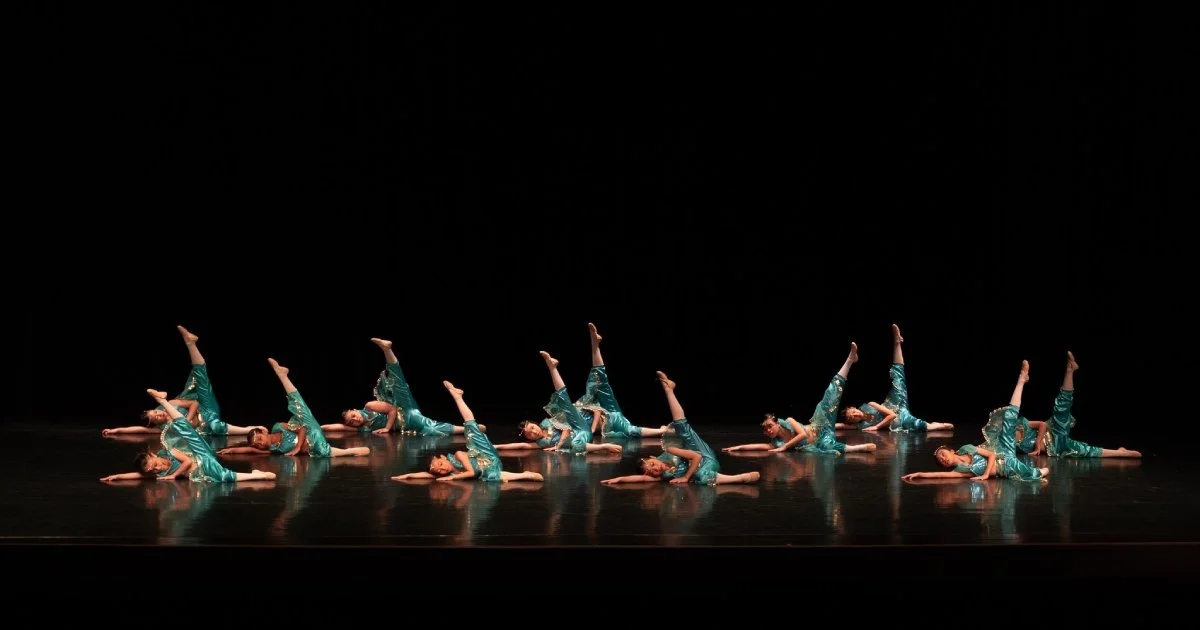
Many parents wonder whether their child should focus on just one dance style or explore several. While specialising can happen later, the early years are often the best time for children to experience a variety of dance forms. Trying different styles allows them to move, learn, and express themselves in new ways.
Dance is not only about technique or performance. It is also about confidence, curiosity, and personal development. Exposure to different styles helps children build a wide range of skills while discovering what they truly enjoy.
Here are several reasons why exploring multiple dance styles can support your child’s growth.
Building a Stronger Foundation
Every dance style develops different physical abilities. When children learn a mix of styles, they build a stronger overall foundation for movement.
For example:
Ballet often focuses on posture, balance, and precise technique.
Jazz encourages energy, flexibility, and musical interpretation.
Contemporary explores expression and fluid movement.
Hip-hop styles bring rhythm, coordination, and dynamic movement.
A child who attends a hip hop dance class may develop strong rhythm and confidence in freestyle movement, while ballet training can strengthen posture and discipline. These skills complement each other rather than compete.
Learning across styles helps children understand their bodies better. Over time, they become more coordinated, balanced, and comfortable moving in different ways.
Helping Children Discover What They Love
Children’s interests change as they grow. A style that feels exciting today might not be their favourite next year.
Trying different dance genres gives children the freedom to explore without pressure. Instead of feeling locked into one path, they can gradually discover which styles resonate with them the most.
Some children enjoy the structure of classical dance. Others may prefer energetic street styles or expressive contemporary movement.
When children are given opportunities to explore, they are more likely to develop a genuine love for dance. This kind of motivation often lasts longer because it comes from curiosity and enjoyment rather than expectation.
Strengthening Core Movement Skills
Although dance styles may look very different, they share many essential skills.
Across most dance forms, children learn:
Balance and body control
Coordination between arms, legs, and torso
Musical timing and rhythm
Spatial awareness
Strength and flexibility
Each new style challenges the body in slightly different ways. Over time, these experiences strengthen overall movement ability.
For example, ballet can improve posture and alignment, while jazz might focus more on sharp, energetic movements. Street styles help children connect with rhythm and musical expression.
This combination helps young dancers become more well-rounded movers, which benefits them regardless of the style they eventually prefer.
Encouraging Creativity and Self-Expression
Children naturally enjoy exploring movement when they feel free to experiment. Different dance styles introduce them to many ways of expressing themselves.
Some styles encourage storytelling through movement. Others focus on rhythm, improvisation, or dramatic performance.
Exposure to different approaches expands a child’s imagination. Instead of thinking that dance must look a certain way, they learn that movement can be creative and personal.
Dance can also help children communicate emotions they may not yet have the words to express. Whether through energetic choreography or flowing movements, dance offers a safe and positive outlet.
Boosting Confidence Through Variety
Trying new dance styles can sometimes feel challenging, but those challenges help children grow.
Each time a child learns a new type of movement, they prove to themselves that they can adapt and improve. Small achievements, like mastering a step or performing in class, gradually build confidence.
Children also begin to see that mistakes are part of the learning process. This mindset helps them develop resilience, patience, and a willingness to keep trying.
A supportive dance environment encourages children to celebrate progress rather than focus on perfection.
Developing Adaptability and Open-Mindedness
The ability to adapt is a valuable life skill. Dance provides a fun and practical way for children to develop it.
Different dance styles often involve different music, movement patterns, and teaching methods. As children switch between them, they learn how to adjust quickly and stay open to new ideas.
For example, a ballet class may emphasise discipline and precise technique, while street dance classes may focus more on rhythm and freestyle creativity.
Learning to move between these environments helps children become flexible learners who are comfortable exploring unfamiliar challenges.
Connecting with Music and Culture
Dance styles often reflect different cultures and musical traditions. Exposure to various genres helps children appreciate the diversity of movement and music around the world.
Street dance, jazz, and contemporary styles all bring unique influences and histories into the studio.
Many students are also drawn to popular dance trends they see online or in music videos. For instance, K-pop dance is popular with teens, which has inspired many young dancers to explore choreography influenced by Korean pop music.
Exploring these styles allows children to connect with music they enjoy while learning about the creativity behind different dance forms.
Supporting Social Development
Dance classes also create opportunities for children to connect with others who share similar interests.
Group choreography, partner work, and team performances encourage collaboration and communication. Children learn how to support one another, listen to instructions, and work together towards a shared goal.
Trying different dance styles can also introduce children to a wider community of dancers. This exposure helps them build friendships and feel part of a supportive environment.
For many children, the friendships they form in dance classes become one of the most meaningful parts of their experience.
Preparing for Future Dance Opportunities
Children who explore a range of styles early often find it easier to specialise later if they choose to pursue dance more seriously.
Versatile dancers tend to adapt quickly to new choreography and teaching styles. Their broader skill set also allows them to participate in more types of performances, workshops, or competitions.
Even if a child eventually focuses on one genre, the experience gained from other styles continues to support their development.
For example, a dancer who specialises in contemporary may still benefit from the strength and technique learned in ballet or the rhythm developed through street dance.
Keeping Dance Fun and Engaging
One of the biggest benefits of trying different dance styles is that it keeps learning exciting.
Variety prevents classes from feeling repetitive. Each style introduces new music, new steps, and new creative challenges.
When children stay engaged and curious, they are more likely to remain active and motivated. Dance becomes something they genuinely look forward to each week.
The goal is not simply to create skilled dancers, but to nurture confident, expressive, and happy individuals.
Helping Your Child Explore the World of Dance
Every child’s dance journey is unique. Some may quickly discover a favourite style, while others enjoy experimenting with many forms of movement.
What matters most is providing a supportive environment where children feel encouraged to explore, learn, and grow.
At Amy's School of Dance, students have the opportunity to experience a variety of dance styles while building strong technique, confidence, and creativity. With experienced instructors and a welcoming community, children can discover their passion for movement while developing skills that last far beyond the studio.
If you are looking for a place where your child can explore dance in a fun and encouraging environment, consider enrolling them at Amy's School of Dance and let their dance journey begin.

