
5 Signs You’ve Found the Right Dance School for Your Child
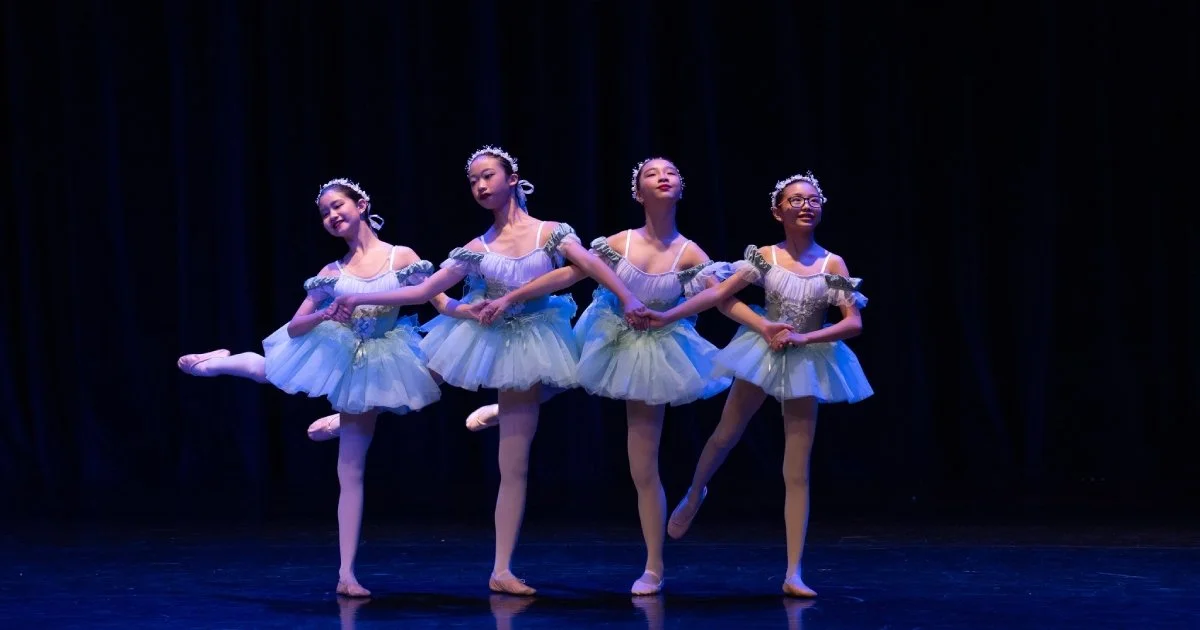
Choosing a dance school for your child can feel like a big decision. Many parents want a place where their child can learn new skills, stay active, and most importantly, enjoy the experience. With so many studios offering different programmes and teaching styles, it can sometimes be difficult to know which one is the right fit.
The truth is that the best dance school is not simply the one with the most classes or the biggest studio. What matters most is how the environment supports your child’s growth, confidence, and happiness. When you find the right place, dance becomes something your child genuinely looks forward to each week.
Here are five signs that you may have found the right dance school for your child.
1. Your Child Is Excited to Attend Class
One of the clearest signs is simple: your child enjoys going to dance class.
Children are often very honest about how they feel. If your child eagerly packs their dance bag, talks about what they learned in class, or practises little steps at home, it usually means they feel comfortable and happy in that environment.
Excitement often grows when children feel supported by their teachers and welcomed by their classmates. A good dance school creates a warm and encouraging atmosphere where children feel safe trying new things.
This sense of comfort helps children build confidence. When they feel good about attending class, they are more open to learning, practising, and improving their skills.
2. Teachers Encourage Effort, Not Just Perfection
Great dance teachers understand that children learn best when they feel encouraged. Instead of focusing only on perfect technique, they recognise effort, improvement, and determination.
Children are naturally curious and willing to experiment with movement. When teachers celebrate progress rather than perfection, students feel more confident trying new steps and combinations.
Supportive teachers also know that every child develops at a different pace. Some children may grasp movements quickly, while others need a little more time to build coordination or musicality.
Encouragement plays a powerful role in helping students stay motivated. It also helps them build resilience when learning something challenging.
Many good teachers also share small strategies that help students stay focused during practice sessions. Sometimes a simple reminder can help children to overcome practice paralysis and keep moving forward rather than feeling stuck.
3. Classes Are Structured for Different Age Groups
Children learn best when lessons match their stage of development. A well-designed dance programme takes this into account by adjusting the structure of classes as students grow.
For younger children, dance lessons usually focus on:
Creative movement
Basic coordination
Rhythm and musicality
Learning to follow simple instructions
These early experiences build the foundation for more advanced techniques later on.
As students grow older, classes often become more structured. They begin learning stronger technical skills, improving posture, and developing better body control.
A thoughtful curriculum allows children to progress step by step. This helps them build confidence while avoiding frustration or burnout.
Many studios also offer different dance styles as students develop their interests. For example, older students may explore ballet, jazz, or even contemporary dance classes in Singapore, which often emphasise expression, fluid movement, and storytelling through dance.
4. The Studio Environment Feels Positive and Supportive
The atmosphere inside a dance studio can make a huge difference to a child’s experience.
A healthy dance environment encourages kindness, teamwork, and respect. Students learn to support one another rather than compete constantly for attention or recognition.
When you visit a class or watch a rehearsal, you may notice small details that reveal the studio culture:
Teachers speak kindly and respectfully to students
Students encourage one another during practice
Older dancers help younger students feel welcome
Mistakes are treated as part of the learning process
These positive interactions help children feel like they belong. They also help build valuable social skills such as cooperation, patience, and empathy.
Dance can be a wonderful place for children to form friendships. When the studio environment is supportive, those friendships often become one of the highlights of their dance journey.
5. The School Prioritises Long-Term Development
Another strong sign of a good dance school is its focus on long-term growth rather than quick results.
Some programmes may rush children into advanced techniques too early or push them towards constant competitions. While performance opportunities can be exciting, strong foundations are far more important for long-term development.
A thoughtful dance school focuses on helping children build:
Strong technical basics
Good posture and body awareness
Musicality and timing
Confidence in movement
These foundations support students as they grow, allowing them to explore more advanced choreography and styles later on.
Teachers who prioritise long-term progress also pay attention to student wellbeing. They understand that children should feel challenged but not overwhelmed.
This balanced approach allows students to enjoy dance while steadily improving their skills over time.
Why the Right Dance School Matters
Dance offers far more than physical exercise. For many children, it becomes an important part of their personal development.
Through dance classes, children can learn:
Discipline and focus
Confidence in expressing themselves
Teamwork and cooperation
Creativity and artistic exploration
These skills often extend far beyond the dance studio. Children who feel confident in movement frequently carry that confidence into school, friendships, and other activities.
Finding the right dance school simply helps unlock these benefits in a supportive and enjoyable way.
Parents do not need to search for perfection. What matters most is finding a place where your child feels encouraged, safe, and inspired to keep learning.
Conclusion
Choosing a dance school for your child is an important step, but it does not need to feel overwhelming. When your child enjoys attending class, feels supported by their teachers, learns through age-appropriate lessons, and grows within a positive studio environment, you can feel confident that you have found the right place.
Dance should be a joyful experience that allows children to develop both their skills and their confidence over time.
If you are looking for a supportive and nurturing environment where young dancers can grow, consider enrolling your child at Amy's School of Dance. With experienced instructors and thoughtfully designed programmes, our school provides a welcoming space for children to discover the joy of dance while building strong foundations for the future.

